
Introduction to Tinted Holzsiegel
Tinted Holzsiegel, a term that translates to “tinted wood seal,” refers to specialized coatings designed to enhance and protect wooden surfaces. These products serve two primary purposes: they provide a protective barrier against environmental damage while simultaneously adding color and aesthetic charm to the wood. Within the context of wood finishing, holzsiegel products are crucial for ensuring longevity and visual appeal, catering to various applications ranging from furniture to exterior structures.
The tinting process enhances the natural beauty of the wood grain while offering a nuanced color palette that meets diverse design preferences. This approach allows homeowners and professionals to express creativity while selecting finishes that resonate with their vision. For instance, lighter tints can brighten spaces and create an airy feel, whereas darker hues provide depth and sophistication. The ability to customize the appearance of wood through tinted holzsiegel has led to its increased popularity in both residential and commercial applications.
Moreover, tinted holzsiegel products are commonly used in a variety of scenarios. They are ideal for wooden decking, garden furniture, and interior elements like doors and cabinets, where style and protection are paramount. These finishes not only contribute to a pleasing aesthetic but also minimize the impact of UV rays, moisture, and other environmental factors that may deteriorate wood over time. Thus, they play a significant role in maintaining the integrity and appearance of wooden surfaces.
In preparation for a more detailed comparison of the different types of tinted holzsiegel, namely HS and WBS, it is essential to understand the fundamental concepts behind these products. By recognizing the purpose and applications of tinted holzsiegel, users can make more informed decisions about which options are best suited for their specific projects and requirements.
Exploring Tinted Holzsiegel HS
Tinted Holzsiegel HS is a specialized product designed to enhance and protect wood surfaces while providing a unique aesthetic finish. This wood sealer is formulated to penetrate deeply into the wood, ensuring that the protective properties are utilized effectively without compromising the wood’s natural beauty. Its formulation comprises a combination of high-quality resins, pigments, and additives, which work together to create a durable, lasting finish that resists weather elements and wear over time.
One of the most significant characteristics that distinguish Tinted Holzsiegel HS from other wood sealers is its exceptional durability. This sealer effectively shields wood from UV radiation, moisture, and other environmental factors that can cause degradation. Furthermore, HS provides a more vibrant color payoff, making it particularly appealing for decorative applications. Its unique formulation allows it to be used on various wood types, including softwoods and hardwoods, making it versatile for various projects.
The application technique for Tinted Holzsiegel HS is also relatively straightforward, which contributes to its popularity among both professionals and DIY enthusiasts. It can be applied using a brush, roller, or spray method, depending on the desired finish and the surface area being coated. For practical applications, this wood sealer is ideal for indoor furniture, cabinetry, and decorative pieces where an attractive finish is paramount. Additionally, its compatibility with multiple wood types ensures that users can achieve a consistent look across diverse projects.
Overall, Tinted Holzsiegel HS offers a combination of beauty and protection that is difficult to match. Its formulation and ease of application make it a preferred choice for enhancing the longevity and aesthetic appeal of various wooden surfaces.
Examining Tinted Holzsiegel WBS
Tinted Holzsiegel WBS represents a specialized wood sealant designed to enhance and protect wooden surfaces, particularly in outdoor applications. This product is formulated to provide an effective barrier against environmental elements, making it an ideal choice for wood exposed to moisture or fluctuating weather conditions. The distinct features of WBS make it notably different from Tinted Holzsiegel HS, particularly in terms of its composition and performance attributes.
A primary advantage of Tinted Holzsiegel WBS is its exceptional water resistance. This property ensures that the wood remains safeguarded against fungal growth, degradation, and warping caused by moisture absorption. The ease of application is another significant benefit; WBS can be effortlessly applied with a brush or sprayer, allowing for a smooth application process that generates a consistent finish. Additionally, WBS offers a high-quality finish that enhances the natural aesthetics of the wood, bringing out its grain patterns while providing a rich color tone.
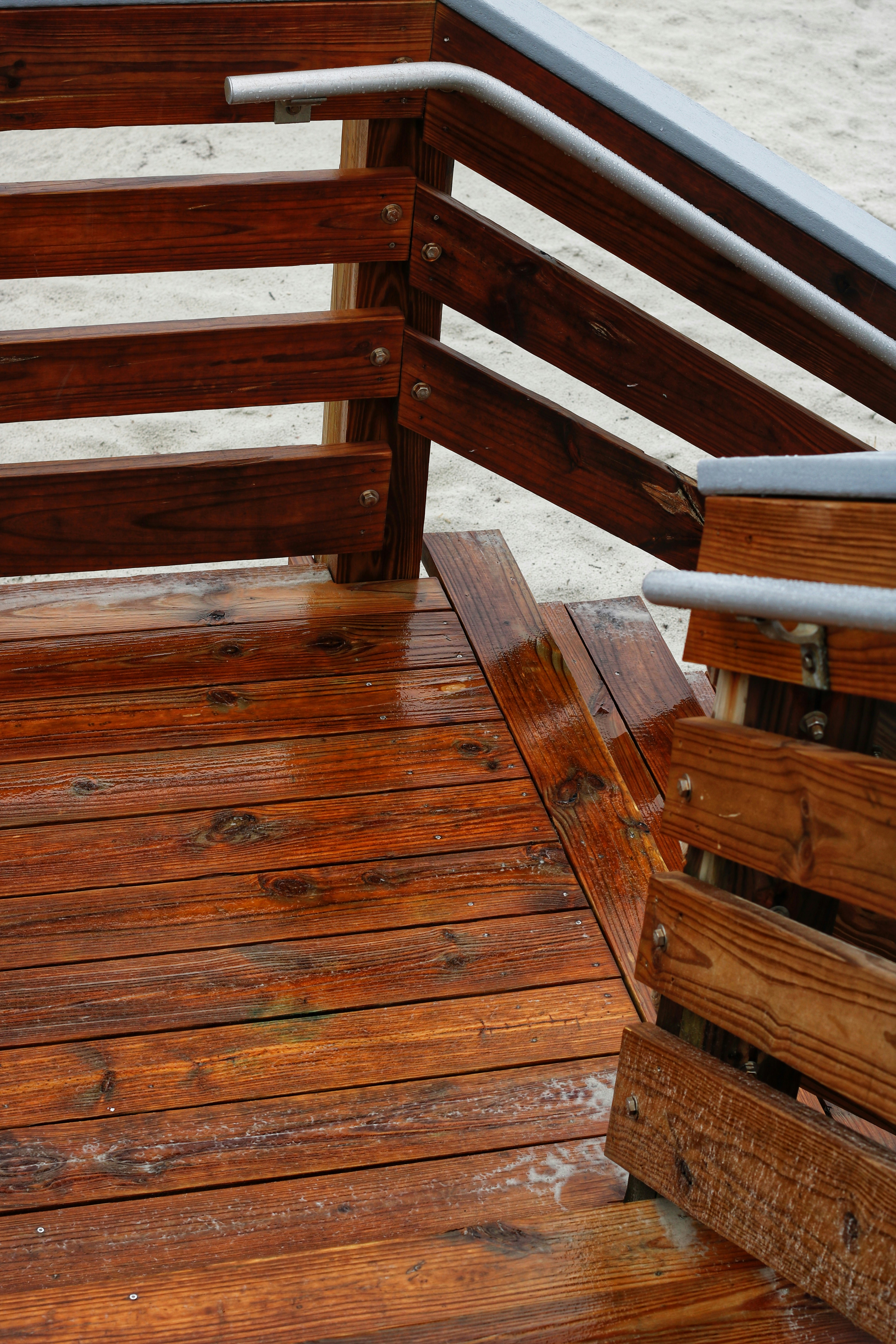
In practical applications, Tinted Holzsiegel WBS shines in scenarios such as decks, garden furniture, and exterior cladding. For instance, a wooden deck treated with WBS can endure seasonal changes, resisting the damaging effects of rain and sun exposure. This long-lasting protection is particularly beneficial for outdoor wood projects, where maintaining appearance and structural integrity is a priority. Similarly, areas of wood situated in high-moisture environments, like poolside furniture, greatly benefit from the superior sealing properties of WBS.
In summary, Tinted Holzsiegel WBS provides essential features that cater to various outdoor applications, emphasizing ease of use and robust protection against moisture. Understanding its unique benefits is crucial for choosing the right wood sealant for specific projects, ensuring longevity and aesthetic appeal for wooden surfaces.
Comparative Analysis: HS vs. WBS
When selecting between tinted Holzsiegel HS and tinted Holzsiegel WBS, it is essential to understand their fundamental differences, which can significantly influence the result of your wood finishing project. The primary distinction between HS and WBS lies within their chemical compositions. Tinted Holzsiegel HS is primarily solvent-based, offering deep penetration into the wood fibers. This property can be advantageous for exterior applications where moisture resistance is critical. On the other hand, tinted Holzsiegel WBS is water-based, resulting in a more environment-friendly choice, which generally contains lower levels of volatile organic compounds (VOCs). This difference in composition also affects drying times; HS typically dries slower compared to WBS, potentially prolonging the duration of project completion.
In terms of application processes, tinted Holzsiegel HS requires careful handling due to its solvent base. Proper ventilation is necessary during application to mitigate inhalation risks associated with solvent exposure. Conversely, tinted Holzsiegel WBS can be applied with ease indoors since it has minimal odor and cleans up with water, making it a user-friendly option for DIY enthusiasts. For projects involving extensive wood types, WBS is often more forgiving, as it adapts well to various substrates without altering the wood’s natural properties excessively.
The final appearance of the finish is another critical factor to consider. Tinted Holzsiegel HS often imparts a deeper, more saturated color to the wood, which may be desired in specific projects where vibrant aesthetics are important. In contrast, the tinted Holzsiegel WBS provides a more transparent effect, allowing the wood’s natural features to shine through, thus being preferred for applications aiming for a more subtle enhancement. In choosing between HS and WBS, factors such as project requirements, desired finish, wood type, and environmental exposure should guide the decision-making process effectively.
Leave a Reply